Your lease expires in six months. Finance wants the warehouse empty and turned over. You need everything out, but the quotes you’re getting don’t make sense. One company offers to demolish everything for what seems like a good price. Another talks about material credit and careful dismantling but the labor cost looks higher.
Which one actually costs less?
Most companies get this wrong. They focus on the labor quote and miss the material credit entirely. The net cost tells the real story.
What Decommissioning Actually Involves
Warehouse decommissioning means carefully taking apart every system in your facility to preserve material value. Not demolition. Not destruction. Strategic dismantling.
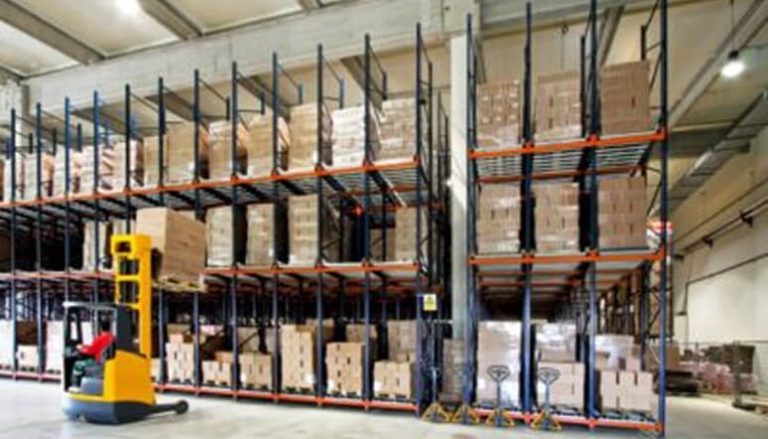
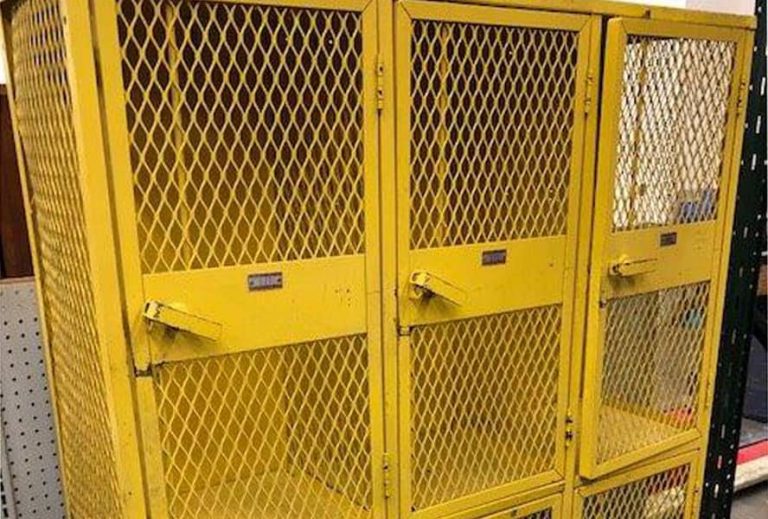
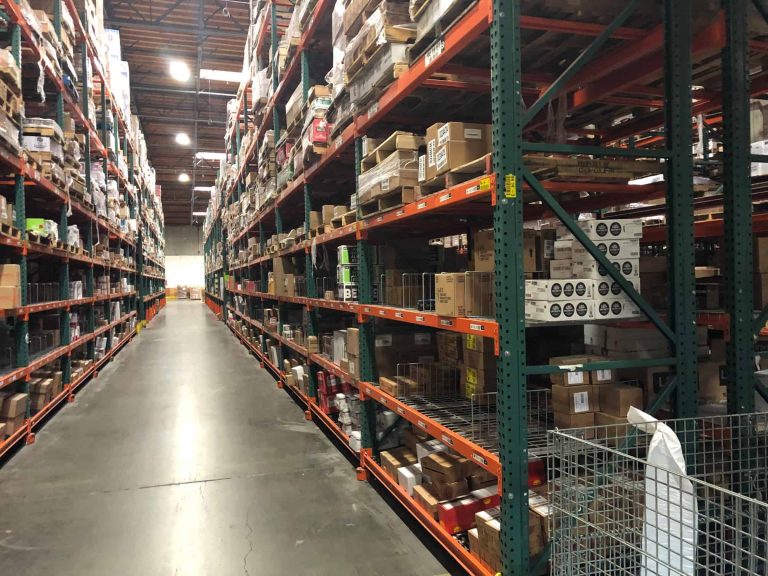
The scope covers pallet racking systems, mezzanines and elevated structures, conveyor systems (both gravity and smart systems), safety equipment like barriers and bollards, and specialty material handling equipment. Everything gets inventoried, photographed, and assessed for condition.
This creates a detailed material inventory. Quantities of uprights, beams, and wire decks get documented. Brands and system types get specified. Condition gets rated. This documentation drives the value assessment that determines your material credit.
The value proposition then takes shape. Material credit gets calculated against labor costs. The net cost to you emerges. That’s the number that matters.
The Economics: Understanding Material Credit vs Labor Cost
Small to medium facilities run 50,000 to 100,000 square feet. Take an 80,000 square foot facility in Dallas rated 7 out of 10. This likely becomes a labor job where you pay for removal. If the racking stays in the building, material value drops significantly. You might capture some value from ancillary equipment like conveyors or safety barriers, but the economics favor the decommissioning company more than you.
Now scale up to 700,000 square feet.
Labor cost to take down a facility this size runs $2.5 to $3 million. The material credit? Around $1.5 million for quality racking, mezzanines, and conveyors. Your net cost: $1 to $1.5 million. You’re not paying the full $3 million because the material has real resale value.
Push it to 1 million square feet and the economics improve further. Material credit might hit $250,000 for racking alone. Add mezzanines, conveyors, forklifts, order pickers, and specialty equipment, and that number climbs significantly. The company handling your decommission provides labor to take it down, but the material value offsets a substantial portion of the cost.
Rating systems reflect this. An 8, 9, or 10 out of 10 facility rating means better material value and more favorable economics.
Why Facility Size Completely Changes the Math
The rating system works on a 10-point scale. A 7/10 means good size, decent material, but some limitations. Maybe the racking can’t leave the building. Maybe the quantity isn’t massive.
An 8/10 delivers better material value and good conditions. A 9/10 represents excellent material, ideal conditions, and high volume. A 10/10? Rare. Perfect material, perfect conditions, maximum value.
Square footage creates breakpoints in the economics. Facilities between 50,000 and 100,000 square feet often become labor-only jobs where material credit barely moves the needle. At 400,000 square feet, meaningful material value starts emerging. Hit 700,000 square feet and you’re looking at substantial material credit. Reach 1 million square feet and you’re in premium territory.
Why does size matter this much?
Larger facilities generate more material volume. Labor economies of scale improve. Ancillary equipment value multiplies. Companies can fulfill smaller retail orders from the inventory (someone needs four uprights for their garage? No problem when you have 2,000 uprights). The whole operation becomes a controlled garage sale for material handling equipment.
Timeline Planning: The 8-9 Month Window
A facility in Chicago is being decommissioned next September. The inquiry came in now, giving an 8-9 month runway. That’s ideal.
Site visit gets scheduled. Inventory creation happens. Value assessment gets developed. Competitive bids get prepared. Everything moves in a logical sequence without panic pricing.
Compare that to a company calling 30 days before their December 31st lease deadline. Same size facility. Same material. Completely different economics because time got away from them.
Advance planning creates negotiating leverage. You have time to find buyers for specialty material. Labor crews can be scheduled efficiently instead of at premium rush rates. Multiple competitive bids come in instead of taking whatever’s available.
Rush scenarios punish you financially. Late planning removes your negotiating position. Limited time to develop material resale pipelines means lower credit values. Premium pricing on labor becomes standard. Competitive bids dry up because qualified companies are already booked.

Ted Hodges - CEO & Founder
Ted Hodges is the Founder and CEO of Conesco Storage Systems, a company he started in 1986 to provide turnkey warehousing products and services, including the repurposing of quality, used material handling equipment. With over 40 employees across the country, Ted and his team serve customers of all sizes throughout the different stages of the warehousing lifecycle.