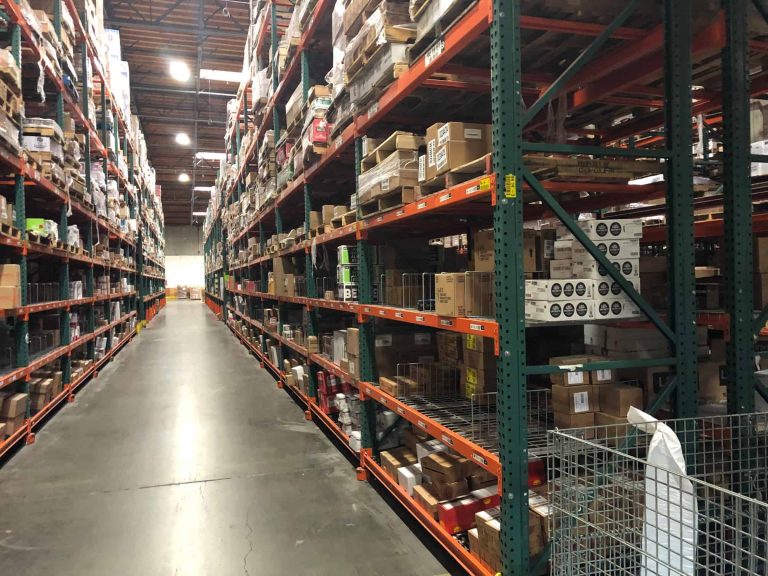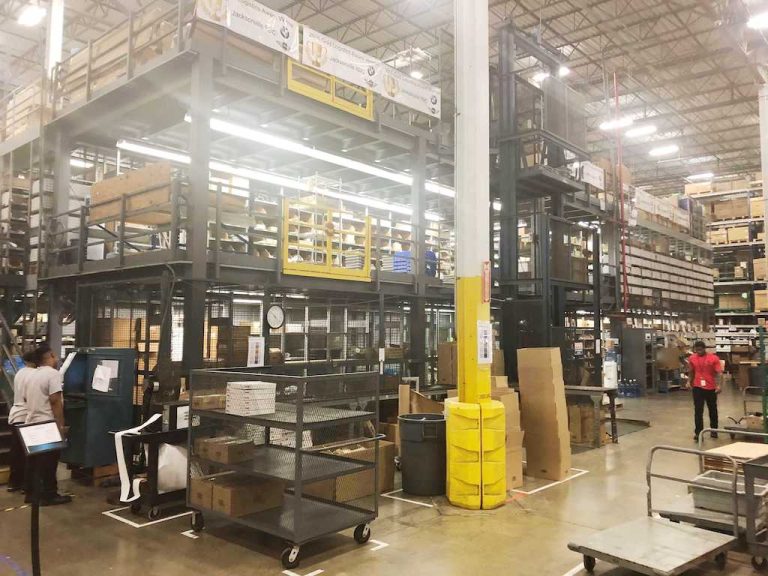
Finding the right help for your warehouse needs starts with understanding who does what. Racking companies solve certain problems exceptionally well. Other problems require different specialists.
Knowing the difference saves you time and gets you to the right solution faster. This guide explains what warehouse racking experts handle directly and when they’ll point you toward specialists who can better serve your needs.
What Racking Experts Handle Directly
Racking companies focus on the physical infrastructure that stores your materials. That’s their core expertise.
Used racking procurement and sales. Sourcing quality used materials that match your specifications. Evaluating condition. Coordinating delivery. This is where racking experts deliver the most value. They know the market, have supplier relationships, and understand how to match available inventory to your requirements.
New racking sourcing. When used materials won’t work for your project, racking companies can procure new materials. They understand lead times, manufacturer differences, and specification requirements.
Warehouse decommissioning. When you’re closing, downsizing, or consolidating a facility, racking experts buy your materials, coordinate removal, and handle the logistics. They maximize the value you recover from materials you no longer need.
Material handling equipment. Beyond racking, many companies can source related equipment. Forklifts, conveyors, and other items that complement your storage infrastructure.
Labor coordination. Installation and removal services. Getting racking up safely and efficiently. Taking it down when facilities change.
The Consultation That Comes With Racking Expertise
Good racking companies don’t just sell materials. They help you think through what you actually need.
Facility assessment. Walking your space to understand dimensions, clear height, floor conditions, and layout constraints. A 100,000 square foot facility with 30-foot clear height has different optimization opportunities than a smaller space with lower ceilings.
Storage requirement analysis. Understanding what you’re storing determines what racking configuration works. Do you need pallet storage? Carton storage? Individual item shelving for smaller products like clothing? The answer shapes everything else.
Specification matching. Connecting your operational requirements to racking specifications. Load capacities, beam lengths, upright heights. Making sure the materials actually support how you’ll use them.
Safety evaluation. Looking at existing racking for damage, improper loading, or configuration issues. Identifying problems before they become safety incidents.
Cost comparison. Explaining the real difference between new and used options. A project that costs $1,000,000 in new materials might cost $500,000 in used. Understanding those trade-offs helps you make informed decisions.
The Questions Racking Experts Ask to Understand Your Needs
Before recommending solutions, good racking consultants need to understand your operation. Expect questions like these:
How many SKUs are you managing? The number of different products you handle affects storage density and picking efficiency. High SKU counts require different configurations than operations with fewer product types.
What are your pallet sizes and specifications? Standard pallets fit standard racking. Non-standard sizes require custom configurations. Getting this wrong means materials that don’t work for your operation.
How fast are you turning through inventory? High-velocity operations need easy access to everything. Slower-moving inventory can go in denser storage configurations. Turnover rates inform racking selection.
How many SKUs go out at once? Single-item picks versus full-pallet movements require different layouts. Understanding your order profiles shapes facility design.
Do you need carton storage, pallet storage, or individual item shelving? Different products require different storage approaches. A distribution center moving full pallets looks different from an e-commerce operation picking individual items.
How much data do you have around your inventory? The sophistication of your inventory tracking affects how precisely you can optimize storage. More data enables better decisions.
These questions help racking experts recommend materials that actually serve your operation. They’re not trying to run your business. They’re trying to understand it well enough to provide the right infrastructure.
When Racking Experts Refer You to Specialists
Honest racking companies know their boundaries. Some problems fall outside their expertise, and they’ll tell you directly.
Warehouse management system implementation. If you need software to track inventory, manage picking, and optimize workflows, that’s integrator work. Racking companies understand how these systems connect to physical infrastructure, but they don’t implement the technology.
Picking process optimization. Designing the most efficient picking routes, determining optimal product placement, and engineering workflow improvements requires operational expertise. Racking supports these goals, but the optimization methodology comes from specialists.
Inventory management strategy. How much inventory should you carry? How do you balance carrying costs against stockout risk? These are business strategy questions, not racking questions.
Automation integration. Conveyor systems, automated storage and retrieval, robotic picking. These technologies require specialized integrators who handle design, installation, and commissioning.
Complete facility design. Starting from scratch with a new warehouse? You need architects, engineers, and operational consultants before you need racking. The infrastructure decisions come after the facility design is complete.
When a racking company refers you to a specialist, they’re helping you get to the right solution faster. They’re not passing you off because they don’t care. They’re being honest about who can best solve your specific problem.
Why This Honesty Benefits You
When racking experts stay in their lane, you get better outcomes.
You avoid paying for expertise that doesn’t exist. A racking company trying to implement your warehouse management system is learning on your dime. A specialist has done it dozens of times.
You get faster solutions. The specialist already knows the pitfalls, has established methodologies, and can execute efficiently. They’re not figuring it out as they go.
You maintain a trusted relationship with your racking supplier. When you need materials, you return to someone who gave you straight information instead of overselling capabilities.
The referral network works both ways. Specialists who implement warehouse systems eventually need racking for their clients. The honest relationships create a network of experts who work together.
The Conversation Before You Buy Racking
Before committing to materials, the right racking company walks through your situation with you.
They explain options. Going new costs more but delivers exact specifications. Going used saves 50-60% but requires flexibility. They help you understand where your project falls on that spectrum.
They discuss timeline realities. Used materials typically deliver in 2-3 weeks. New materials currently run 4-8 weeks, potentially longer. If you’re racing against a facility opening deadline, that timeline difference matters.
They talk about market conditions. Steel prices affect new racking costs. Supply availability affects used options. A good consultant explains how current conditions impact your project.
They connect racking decisions to your operational needs. The materials should serve how you actually work, not just fill space. That requires understanding your operation before recommending solutions.
What Happens When You Need Both Racking and Operational Help
Sometimes your project requires both physical infrastructure and operational expertise. The sequencing matters.
Typically, operational design comes first. Figure out your workflow, picking methodology, and storage requirements. Then specify the racking that supports that design.
Buying racking before you’ve designed operations can result in infrastructure that doesn’t serve your needs. You end up reconfiguring, replacing, or working around materials that don’t fit how you actually operate.
Good racking companies will tell you this. If you come to them before your operational plan is clear, they’ll suggest you work with a specialist first. Then return when you know what you need.
This sequencing saves you money. Buying the right racking once is cheaper than buying, removing, and replacing materials that didn’t work.
Geographic Considerations for Service Availability
The support you can access depends partly on where you’re located.
Markets with strong local presence. Some regions have racking companies with physical facilities, local inventory, and full-service capabilities. You can visit, see materials, and get hands-on support.
Markets served remotely. Other regions are served through consultative relationships. The racking company sources materials, coordinates delivery, and arranges labor, but doesn’t have a local warehouse.
For large projects, geographic distance matters less. The economics support shipping materials and mobilizing installation crews.
For small orders, geography matters more. Four uprights and eight beams for a small facility become hard to fulfill economically without local inventory. The handling and shipping costs can exceed the material value.
Ask about local capabilities when you first engage with a racking company. Understanding their service model in your market sets appropriate expectations.
How Large Facility Decommissions Create Opportunities
When major facilities close, they generate significant material volumes. A 400,000 to 1,000,000 square foot warehouse decommission might yield 2,000+ uprights plus miscellaneous equipment.
These events create buying opportunities. Motivated sellers need materials removed on specific timelines. Pricing often reflects that urgency.
They also enable smaller purchases. That 2,000-upright inventory base makes it viable to fulfill orders for five uprights, ten beams, or other small quantities. Without the large decommission creating inventory, those small orders aren’t economical.
If you have a small project, ask whether your racking supplier has recent decommissioning inventory. The answer affects what they can offer you and at what price point.
The Value of a Relationship That Starts Before You Need Materials
The best time to talk with a racking expert is before your project is urgent.
Early conversations let you understand options without time pressure. You learn about market conditions, pricing dynamics, and lead times when you can actually factor them into planning.
You build a relationship with someone who understands your operation. When the project goes live, they already know your facility, your requirements, and your constraints.
You get honest advice about timing. Maybe current conditions favor waiting. Maybe they favor moving quickly. An established relationship means you get that guidance without sales pressure.
You identify what other specialists you need. If your project requires operational consulting before racking procurement, you learn that early enough to sequence properly.
Frequently Asked Questions
What should I expect from an initial conversation with a racking company?
Expect questions about your facility, storage needs, and timeline. A good racking company wants to understand your situation before recommending solutions. They’ll ask about SKU counts, pallet sizes, storage types, and project urgency. They should explain their capabilities honestly, including what they handle directly versus what requires specialists.
How do I know if I need a racking company or a warehouse consultant first?
If you know what you need to store and how your operation works, start with the racking company. If you’re still figuring out workflow, picking methodology, or inventory strategy, work with an operational consultant first. Get the design right, then specify the infrastructure that supports it.
Will a racking company charge me for initial consultations and facility assessments?
Practices vary. Many companies offer initial conversations and basic assessments as part of the sales process. More detailed facility audits or engineering assessments may involve fees. Ask upfront what’s included and what costs extra so you understand the arrangement before engaging.
What’s the difference between a racking company and a warehouse integrator?
Racking companies focus on physical storage infrastructure: uprights, beams, shelving, and related materials. Integrators handle technology and operational systems: warehouse management software, automation, conveyor systems, and process optimization. Some projects need both, and they typically work sequentially with operations design preceding racking specification.
Can a racking company help me figure out how much racking I need?
Yes, within limits. They can assess your facility dimensions, discuss storage requirements, and recommend configurations. They can’t design your entire warehouse operation. If you don’t know what you’re storing or how your workflow functions, address those questions first with operational specialists.
What questions should I ask a racking company before working with them?
Ask about their experience with projects similar to yours. Ask whether they supply new, used, or both. Ask about their geographic service capabilities and lead times. Ask what services they handle directly versus coordinate through partners. Ask how they handle situations where your needs fall outside their expertise.
How do safety inspections work with racking companies?
Some racking companies offer safety inspections as a service, evaluating existing installations for damage, improper loading, or configuration issues. This may be a standalone service or part of facility assessment. Ask whether they have qualified personnel for inspections and what deliverables you receive.
If I need operational help, will a racking company refer me to someone?
Reputable racking companies maintain relationships with operational consultants and integrators. When your needs fall outside their expertise, they should point you toward specialists who can help. This referral network benefits everyone: you get the right help, and the racking company maintains a relationship for when you need materials.
Key Takeaways
Racking companies excel at physical storage infrastructure. Used and new racking procurement, decommissioning, material handling equipment, and installation coordination are their core capabilities. This is where they deliver the most value.
Good racking consultants ask questions before recommending solutions. Understanding your SKU counts, pallet sizes, turnover rates, and storage requirements ensures the materials actually serve your operation. Expect diagnostic conversations, not immediate sales pitches.
Honest racking experts know their boundaries. Warehouse management systems, automation integration, and operational optimization require specialists. When racking companies refer you to integrators, they’re helping you get better solutions faster.
The consultation before you buy shapes project success. Understanding new vs. used trade-offs, timeline realities, and market conditions before committing to materials prevents costly mismatches between infrastructure and operational needs.
Geographic service models vary. Some markets have full-service local support with physical inventory. Others are served through consultative relationships and coordinated delivery. Ask about local capabilities to set appropriate expectations.
Large decommissions create opportunities. Facility closures generate material volumes that enable both large project fulfillment and smaller orders that wouldn’t otherwise be economical. Ask about available inventory from recent decommissions.
Starting the relationship before urgency pays off. Early conversations let you understand options, build relationships, and sequence properly between operational design and infrastructure procurement.

Ted Hodges - CEO & Founder
Ted Hodges is the Founder and CEO of Conesco Storage Systems, a company he started in 1986 to provide turnkey warehousing products and services, including the repurposing of quality, used material handling equipment. With over 40 employees across the country, Ted and his team serve customers of all sizes throughout the different stages of the warehousing lifecycle.